La contratación se realiza en fases. Aprenda a ampliar la capacidad de reclutamiento con su plan de contratación, sin los costos fijos de los reclutadores permanentes.

It is also one of the hardest hires to make. “AI engineer” means different things to different companies, the strongest candidates have plenty of options, and many founders aren’t sure how to assess the skills they need. This guide walks through how to hire your first AI engineer, from defining the role to making an offer.
Before you write a job description, be specific about the problem. Most first AI hires at startups fall into one of three types of work.
Write down what you want the person to have shipped after three, six and twelve months. If the answer is “an AI assistant in our product that customers use every day”, you need a strong applied AI engineer, not a research scientist.
These titles overlap and companies use them loosely, which confuses candidates as much as employers. As a rough guide:
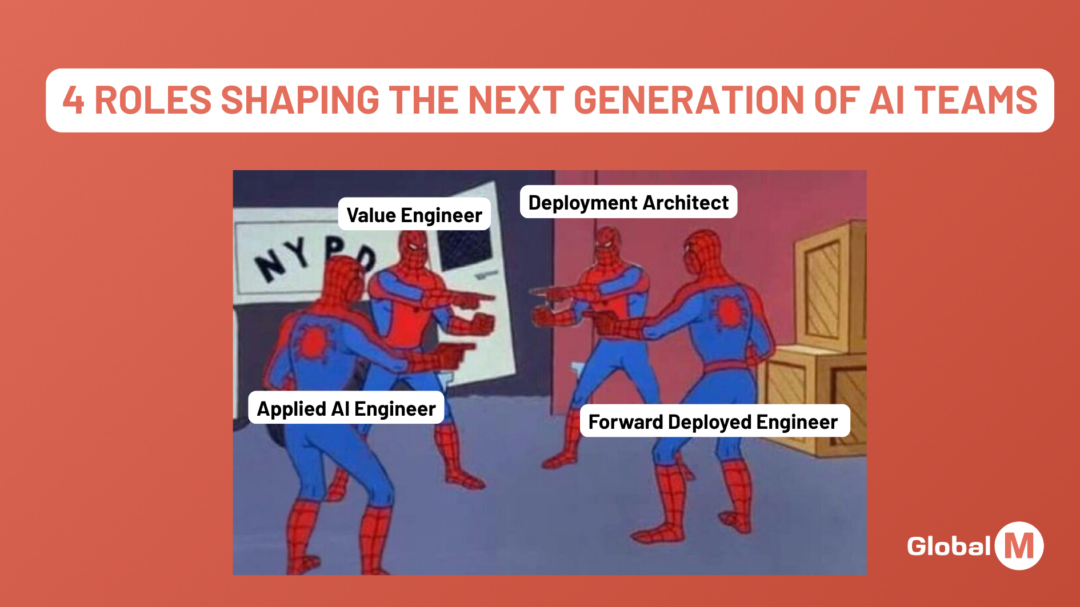
For most startups building AI into their product, the first hire should be an engineer who can ship, not an analyst. We look at some newer roles in more detail in 4 roles que están dando forma a la próxima generación de equipos de IA.
The most common mistake we see is hiring someone who is impressive in AI but can’t build reliable software. Your first AI engineer will probably work without a large platform team around them. They need to write production-quality code, design systems that handle real traffic, and work with your existing engineers.
Look for evidence of:
A first AI engineer usually needs to work with a lot of independence, so most startups should aim for a senior or experienced mid-level engineer rather than a junior. A junior engineer can do excellent work with guidance, but someone has to provide that guidance, and at this stage there often isn’t anyone.
Salaries vary widely by location and seniority. In Barcelona, for example, Blu Selection’s 2026 salary guide puts junior AI engineers (one to three years’ experience) at around €40,000 to €55,000 and senior AI engineers (eight years or more) at around €85,000 to €110,000 base salary. London and other major hubs are typically higher. Check current market data for your location before you go out to candidates, because offers that are too low are one of the main reasons AI hires fall through late in the process.
For a wider view of costs in one European market, see the real cost of hiring tech talent in Spain.
Strong AI engineers receive a lot of messages from recruiters. A vague advert asking for “AI/ML experience” with a long list of tools won’t stand out. Instead:
Traditional technical interviews often miss what matters in AI engineering. A good process for a first AI hire usually includes:
If nobody on your team can judge AI skills in depth, consider bringing in an experienced engineer or adviser for the technical interview, or working with a recruitment partner who specialises in AI roles.
Good AI engineers are often in several processes at once. Long gaps between interview stages are one of the easiest ways to lose them. Aim to complete the process within two to three weeks of the first interview, give feedback within a day or two, and keep candidates updated even when there’s nothing new to say.
Remember that candidates are assessing you too. Be ready to talk about your funding, your roadmap, the data they will have access to, and how much ownership they will have. For a first AI hire, the chance to shape a company’s AI work from the start is often the strongest selling point you have.
Hiring is only half the job. Before your new engineer starts, make sure they will have access to the data, tools and budget they need, a clear first project, and regular time with the founders. A strong start helps them deliver early and makes it far more likely they stay.
Global M helps startups and scale-ups hire engineers and AI specialists across the UK, Spain and beyond. With Contratación basada en el éxito, we run the search for key roles like your first AI engineer and you only pay when you hire. If you’re building a whole AI or engineering team, our Equipo de contratación integrado gives you dedicated Talent Partners for one monthly fee.
Book a free 20-minute call to talk about the role you’re hiring for.
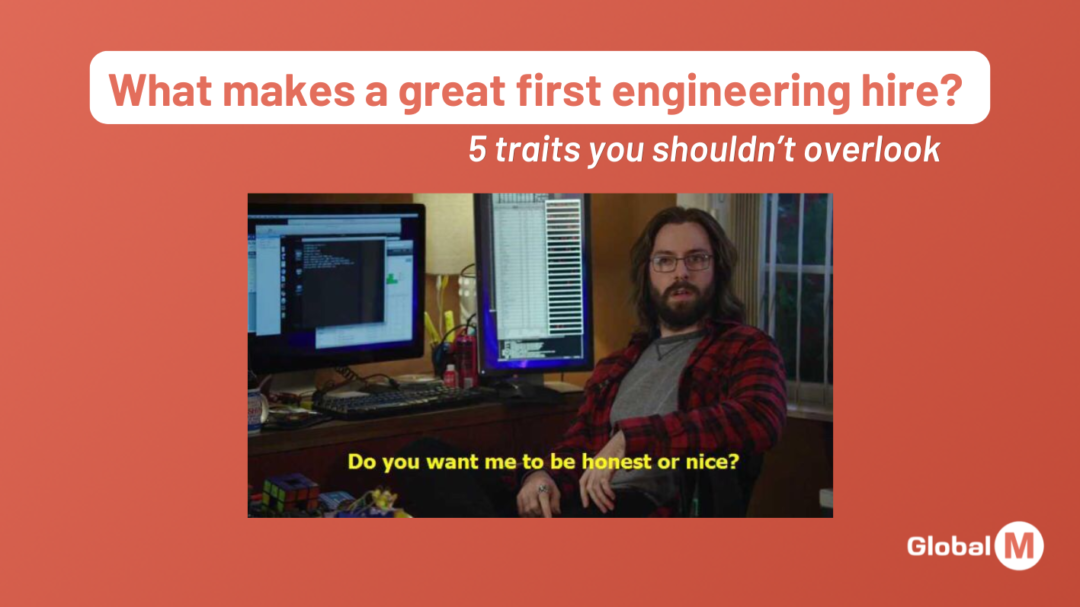
Further reading: What makes a great first engineering hire? 5 traits you shouldn’t overlook.
Suscriptores activos
Mantente al día en un mundo en constante evolución del reclutamiento. Nuestro boletín informativo te mantendrá informado sobre las últimas tendencias del sector, brindando información valiosa tanto para las empresas como para los candidatos a empleo.